Business Name: BeeHive Homes of Hitchcock
Address: 6714 Delany Rd, Hitchcock, TX 77563
Phone: (409) 800-4233
BeeHive Homes of Hitchcock
For people who no longer want to live alone, but aren't ready for a Nursing Home, we provide an alternative. A big assisted living home with lots of room and lots of LOVE!
6714 Delany Rd, Hitchcock, TX 77563
Business Hours
Monday thru Saturday: Open 24 hours
Facebook: https://www.facebook.com/bhhohitchcock
Senior care has actually been progressing from a set of siloed services into a continuum that meets people where they are. The old model asked households to choose a lane, then change lanes quickly when needs altered. The newer approach blends assisted living, memory care, and respite care, so that a resident can move supports without losing familiar faces, routines, or self-respect. Designing that kind of integrated experience takes more than excellent objectives. It requires mindful staffing models, medical procedures, building style, data discipline, and a desire to rethink charge structures.
I have walked households through intake interviews where Dad insists he still drives, Mom says she is fine, and their adult children look at the scuffed bumper and quietly inquire about nighttime roaming. Because conference, you see why stringent classifications fail. People rarely fit tidy labels. Requirements overlap, wax, and subside. The much better we blend services across assisted living and memory care, and weave respite care in for stability, the more likely we are to keep residents much safer and families sane.
The case for blending services instead of splitting them
Assisted living, memory care, and respite care established along separate tracks for solid factors. Assisted living centers concentrated on help with activities of daily living, medication support, meals, and social programs. Memory care systems constructed specialized environments and training for residents with cognitive problems. Respite care created short stays so household caretakers could rest or deal with a crisis. The separation worked when neighborhoods were smaller and the population easier. It works less well now, with rising rates of moderate cognitive impairment, multimorbidity, and household caregivers extended thin.
Blending services unlocks several advantages. Locals prevent unnecessary moves when a brand-new symptom appears. Staff member get to know the individual in time, not simply a medical diagnosis. Families get a single point of contact and a steadier prepare for financial resources, which reduces the emotional turbulence that follows abrupt transitions. Communities likewise gain operational versatility. During influenza season, for example, an unit with more nurse coverage can flex to deal with higher medication administration or increased monitoring.
All of that comes with compromises. Blended designs can blur scientific criteria and welcome scope creep. Personnel may feel unpredictable about when to escalate from a lighter-touch assisted living setting to memory care level protocols. If respite care ends up being the safety valve for every gap, schedules get messy and tenancy planning becomes guesswork. It takes disciplined admission criteria, regular reassessment, and clear internal communication to make the blended technique humane rather than chaotic.
What mixing looks like on the ground
The finest incorporated programs make the lines permeable without pretending there are no differences. I like to believe in three layers.
First, a shared core. Dining, housekeeping, activities, and maintenance needs to feel smooth throughout assisted living and memory care. Homeowners belong to the whole neighborhood. Individuals with cognitive changes still take pleasure in the sound of the piano at lunch, or the feel of soil in a gardening club, if the setting is attentively adapted.
Second, tailored protocols. Medication management in assisted living might operate on a four-hour pass cycle with eMAR verification and spot vitals. In memory care, you include routine discomfort evaluation for nonverbal hints and a smaller sized dosage of PRN psychotropics with tighter evaluation. Respite care includes consumption screenings designed to catch an unfamiliar individual's standard, because a three-day stay leaves little time to find out the regular habits pattern.
Third, environmental cues. Combined neighborhoods invest in style that preserves autonomy while avoiding harm. Contrasting toilet seats, lever door handles, circadian lighting, peaceful areas anywhere the ambient level runs high, and wayfinding landmarks that do not infantilize. I have seen a hallway mural of a local lake change night pacing. Individuals stopped at the "water," chatted, and went back to a lounge rather of heading for an exit.
Intake and reassessment: the engine of a blended model
Good consumption prevents lots of downstream issues. A comprehensive consumption for a mixed program looks various from a basic assisted living survey. Beyond ADLs and medication lists, we require information on routines, personal triggers, food preferences, movement patterns, roaming history, urinary health, and any hospitalizations in the past year. Families frequently hold the most nuanced data, but they may underreport behaviors from embarrassment or overreport from fear. I ask particular, nonjudgmental concerns: Has there been a time in the last month when your mom woke at night and tried to leave the home? If yes, what took place just before? Did caffeine or late-evening television contribute? How often?
Reassessment is the second important piece. In integrated communities, I favor a 30-60-90 day cadence after move-in, then quarterly unless there is a change of condition. Shorter checks follow any ED visit or new medication. Memory changes are subtle. A resident who utilized to navigate to breakfast may begin hovering at an entrance. That could be the first indication of spatial disorientation. In a mixed model, the group can push supports up gently: color contrast on door frames, a volunteer guide for the morning hour, extra signage at eye level. If those changes stop working, the care strategy intensifies instead of the resident being uprooted.
Staffing models that in fact work
Blending services works just if staffing expects variability. The common error is to personnel assisted living lean and then "borrow" from memory care during rough spots. That erodes both sides. I prefer a staffing matrix that sets a base ratio for each program and designates float capacity throughout a geographical zone, not unit lines. On a typical weekday in a 90-resident community with 30 in memory care, you may see one nurse for each program, care partners at 1 to 8 in assisted living during peak morning hours, 1 to 6 in memory care, and an activities team that staggers start times to match behavioral patterns. A dedicated medication specialist can reduce mistake rates, however cross-training a care partner as a backup is important for ill calls.
Training needs to exceed the minimums. State policies typically need just a few hours of dementia training each year. That is inadequate. Reliable programs run scenario-based drills. Staff practice de-escalation for sundowning, redirection throughout exit looking for, and safe transfers with resistance. Supervisors ought to watch new hires throughout both assisted living and memory look after a minimum of 2 complete shifts, and respite employee need a tighter orientation on fast rapport building, given that they might have only days with the guest.
Another overlooked component is staff emotional support. Burnout strikes quickly when teams feel obliged to be whatever to everybody. Arranged huddles matter: 10 minutes at 2 p.m. to check in on who requires a break, which homeowners need eyes-on, and whether anyone is carrying a heavy interaction. A short reset can avoid a medication pass mistake or a frayed reaction to a distressed resident.
Technology worth using, and what to skip
Technology can extend personnel abilities if it is easy, consistent, and tied to results. In blended neighborhoods, I have found four categories helpful.
Electronic care planning and eMAR systems reduce transcription errors and create a record you can trend. If a resident's PRN anxiolytic use climbs up from two times a week to daily, the system can flag it for the nurse in charge, triggering a root cause check before a habits ends up being entrenched.
Wander management requires careful implementation. Door alarms are blunt instruments. Much elderly care better choices consist of discreet wearable tags connected to specific exit points or a virtual border that informs staff when a resident nears a risk zone. The goal is to prevent a lockdown feel while preventing elopement. Households accept these systems more readily when they see them coupled with meaningful activity, not as a replacement for engagement.
Sensor-based tracking can add worth for fall danger and sleep tracking. Bed sensors that spot weight shifts and alert after a preset stillness interval aid personnel step in with toileting or repositioning. However you must calibrate the alert threshold. Too delicate, and personnel ignore the sound. Too dull, and you miss out on real threat. Small pilots are crucial.
Communication tools for families decrease stress and anxiety and phone tag. A protected app that posts a short note and a picture from the early morning activity keeps relatives notified, and you can use it to schedule care conferences. Prevent apps that include intricacy or need personnel to bring multiple gadgets. If the system does not integrate with your care platform, it will die under the weight of double documentation.

I am wary of technologies that promise to presume mood from facial analysis or predict agitation without context. Groups start to trust the control panel over their own observations, and interventions wander generic. The human work still matters most: knowing that Mrs. C begins humming before she tries to load, or that Mr. R's pacing slows with a hand massage and Sinatra.
Program style that appreciates both autonomy and safety
The simplest way to screw up integration is to wrap every precaution in limitation. Homeowners understand when they are being corralled. Self-respect fractures quickly. Great programs select friction where it helps and remove friction where it harms.
Dining illustrates the trade-offs. Some neighborhoods separate memory care mealtimes to manage stimuli. Others bring everyone into a single dining room and develop smaller sized "tables within the space" using design and seating strategies. The second approach tends to increase cravings and social cues, but it requires more personnel blood circulation and clever acoustics. I have actually had success combining a quieter corner with fabric panels and indirect lighting, with an employee stationed for cueing. For citizens with dyspagia, we serve customized textures wonderfully rather than defaulting to bland purees. When households see their loved ones enjoy food, they start to trust the combined setting.
Activity programs must be layered. A morning chair yoga group can cover both assisted living and memory care if the trainer adjusts hints. Later on, a smaller sized cognitive stimulation session might be provided just to those who benefit, with customized jobs like sorting postcards by decade or assembling simple wooden packages. Music is the universal solvent. The best playlist can knit a room together quick. Keep instruments available for spontaneous usage, not locked in a closet for arranged times.
Outdoor access is worthy of priority. A safe and secure courtyard connected to both assisted living and memory care functions as a tranquil space for respite guests to decompress. Raised beds, large paths without dead ends, and a location to sit every 30 to 40 feet welcome use. The capability to roam and feel the breeze is not a high-end. It is typically the distinction between a calm afternoon and a behavioral spiral.
Respite care as stabilizer and on-ramp
Respite care gets dealt with as an afterthought in lots of neighborhoods. In integrated models, it is a strategic tool. Families require a break, definitely, but the value exceeds rest. A well-run respite program functions as a pressure release when a caregiver is nearing burnout. It is a trial stay that reveals how an individual reacts to brand-new regimens, medications, or ecological hints. It is likewise a bridge after a hospitalization, when home might be risky for a week or two.
To make respite care work, admissions need to be fast but not cursory. I go for a 24 to 72 hour turn time from inquiry to move-in. That requires a standing block of furnished spaces and a pre-packed intake set that personnel can resolve. The set includes a brief standard kind, medication reconciliation checklist, fall danger screen, and a cultural and personal preference sheet. Households ought to be welcomed to leave a couple of concrete memory anchors: a favorite blanket, photos, a scent the person relates to convenience. After the first 24 hours, the team ought to call the household proactively with a status update. That phone call builds trust and frequently exposes an information the intake missed.
Length of stay varies. Three to 7 days is common. Some neighborhoods offer up to 1 month if state regulations allow and the person meets criteria. Pricing ought to be transparent. Flat per-diem rates lower confusion, and it assists to bundle the essentials: meals, day-to-day activities, standard medication passes. Additional nursing needs can be add-ons, but prevent nickel-and-diming for normal supports. After the stay, a brief written summary helps families comprehend what went well and what might need adjusting in the house. Numerous eventually transform to full-time residency with much less fear, considering that they have already seen the environment and the staff in action.
Pricing and transparency that households can trust
Families fear the monetary labyrinth as much as they fear the move itself. Combined designs can either clarify or complicate expenses. The better method utilizes a base rate for home size and a tiered care plan that is reassessed at foreseeable intervals. If a resident shifts from assisted living to memory care level supports, the increase must reflect real resource use: staffing intensity, specialized shows, and medical oversight. Avoid surprise costs for regular behaviors like cueing or accompanying to meals. Construct those into tiers.
It assists to share the mathematics. If the memory care supplement funds 24-hour secured gain access to points, higher direct care ratios, and a program director focused on cognitive health, say so. When families understand what they are buying, they accept the rate quicker. For respite care, release the everyday rate and what it consists of. Deal a deposit policy that is fair but firm, because last-minute modifications pressure staffing.
Veterans benefits, long-term care insurance, and Medicaid waivers differ by state. Staff should be proficient in the essentials and know when to refer households to an advantages specialist. A five-minute discussion about Aid and Attendance can alter whether a couple feels required to sell a home quickly.
When not to mix: guardrails and red lines
Integrated models ought to not be an excuse to keep everyone everywhere. Security and quality dictate specific red lines. A resident with consistent aggressive habits that hurts others can not stay in a general assisted living environment, even with extra staffing, unless the habits supports. An individual needing constant two-person transfers may exceed what a memory care unit can safely provide, depending on layout and staffing. Tube feeding, complex wound care with day-to-day dressing modifications, and IV therapy often belong in an experienced nursing setting or with contracted medical services that some assisted living neighborhoods can not support.
There are likewise times when a fully protected memory care neighborhood is the ideal call from the first day. Clear patterns of elopement intent, disorientation that does not react to ecological hints, or high-risk comorbidities like unchecked diabetes paired with cognitive impairment warrant care. The secret is sincere evaluation and a desire to refer out when proper. Residents and families remember the stability of that decision long after the instant crisis passes.
Quality metrics you can in fact track
If a neighborhood declares mixed excellence, it should prove it. The metrics do not need to be expensive, however they should be consistent.
- Staff-to-resident ratios by shift and by program, published monthly to leadership and reviewed with staff. Medication error rate, with near-miss tracking, and a basic restorative action loop. Falls per 1,000 resident days, separated by assisted living and memory care, and an evaluation of falls within thirty days of move-in or level-of-care change. Hospital transfers and return-to-hospital within 30 days, keeping in mind avoidable causes. Family complete satisfaction scores from quick quarterly studies with two open-ended questions.
Tie rewards to enhancements homeowners can feel, not vanity metrics. For instance, reducing night-time falls after adjusting lighting and night activity is a win. Announce what changed. Personnel take pride when they see data show their efforts.
Designing buildings that bend instead of fragment
Architecture either helps or combats care. In a blended model, it should flex. Systems near high-traffic hubs tend to work well for homeowners who flourish on stimulation. Quieter apartments permit decompression. Sight lines matter. If a team can not see the length of a hallway, action times lag. Wider passages with seating nooks turn aimless strolling into purposeful pauses.
Doors can be risks or invitations. Standardizing lever handles helps arthritic hands. Contrasting colors between flooring and wall ease depth perception issues. Prevent patterned carpets that look like steps or holes to someone with visual processing challenges. Kitchens gain from partial open styles so cooking aromas reach common spaces and stimulate appetite, while home appliances stay safely unattainable to those at risk.
Creating "permeable boundaries" between assisted living and memory care can be as basic as shared courtyards and program rooms with scheduled crossover times. Put the hair salon and therapy fitness center at the joint so locals from both sides socialize naturally. Keep personnel break rooms main to motivate fast collaboration, not tucked away at the end of a maze.
Partnerships that enhance the model
No community is an island. Primary care groups that devote to on-site check outs cut down on transport turmoil and missed out on appointments. A going to pharmacist evaluating anticholinergic concern once a quarter can decrease delirium and falls. Hospice suppliers who incorporate early with palliative consults avoid roller-coaster hospital journeys in the last months of life.
Local companies matter as much as clinical partners. High school music programs, faith groups, and garden clubs bring intergenerational energy. A close-by university might run an occupational treatment laboratory on website. These collaborations expand the circle of normalcy. Residents do not feel parked at the edge of town. They remain residents of a living community.
Real families, real pivots
One family lastly gave in to respite care after a year of nighttime caregiving. Their mother, a former teacher with early Alzheimer's, arrived skeptical. She slept 10 hours the opening night. On day 2, she corrected a volunteer's grammar with pleasure and joined a book circle the team tailored to short stories instead of novels. That week exposed her capacity for structured social time and her difficulty around 5 p.m. The family moved her in a month later, currently relying on the staff who had discovered her sweet spot was midmorning and scheduled her showers then.
Another case went the other way. A retired mechanic with Parkinson's and mild cognitive changes desired assisted living near his garage. He loved friends at lunch however started roaming into storage areas by late afternoon. The team tried visual cues and a walking club. After two minor elopement attempts, the nurse led a household meeting. They settled on a relocation into the secured memory care wing, keeping his afternoon task time with an employee and a small bench in the courtyard. The wandering stopped. He got 2 pounds and smiled more. The blended program did not keep him in place at all expenses. It helped him land where he could be both totally free and safe.
What leaders must do next
If you run a neighborhood and wish to mix services, begin with 3 moves. First, map your existing resident journeys, from questions to move-out, and mark the points where people stumble. That reveals where integration can help. Second, pilot one or two cross-program aspects rather than rewording everything. For instance, combine activity calendars for two afternoon hours and add a shared staff huddle. Third, clean up your information. Pick five metrics, track them, and share the trendline with staff and families.
Families assessing communities can ask a couple of pointed questions. How do you decide when somebody needs memory care level support? What will change in the care strategy before you move my mother? Can we arrange respite remain in advance, and what would you want from us to make those successful? How frequently do you reassess, and who will call me if something shifts? The quality of the answers speaks volumes about whether the culture is genuinely incorporated or simply marketed that way.
The promise of mixed assisted living, memory care, and respite care is not that we can stop decrease or erase hard options. The promise is steadier ground. Routines that make it through a bad week. Spaces that seem like home even when the mind misfires. Staff who know the individual behind the diagnosis and have the tools to act. When we develop that sort of environment, the labels matter less. The life in between them matters more.
BeeHive Homes of Hitchcock offers assisted living services
BeeHive Homes of Hitchcock provides memory care services
BeeHive Homes of Hitchcock offers respite care services
BeeHive Homes of Hitchcock provides 24-hour caregiver support
BeeHive Homes of Hitchcock features a small, residential home setting
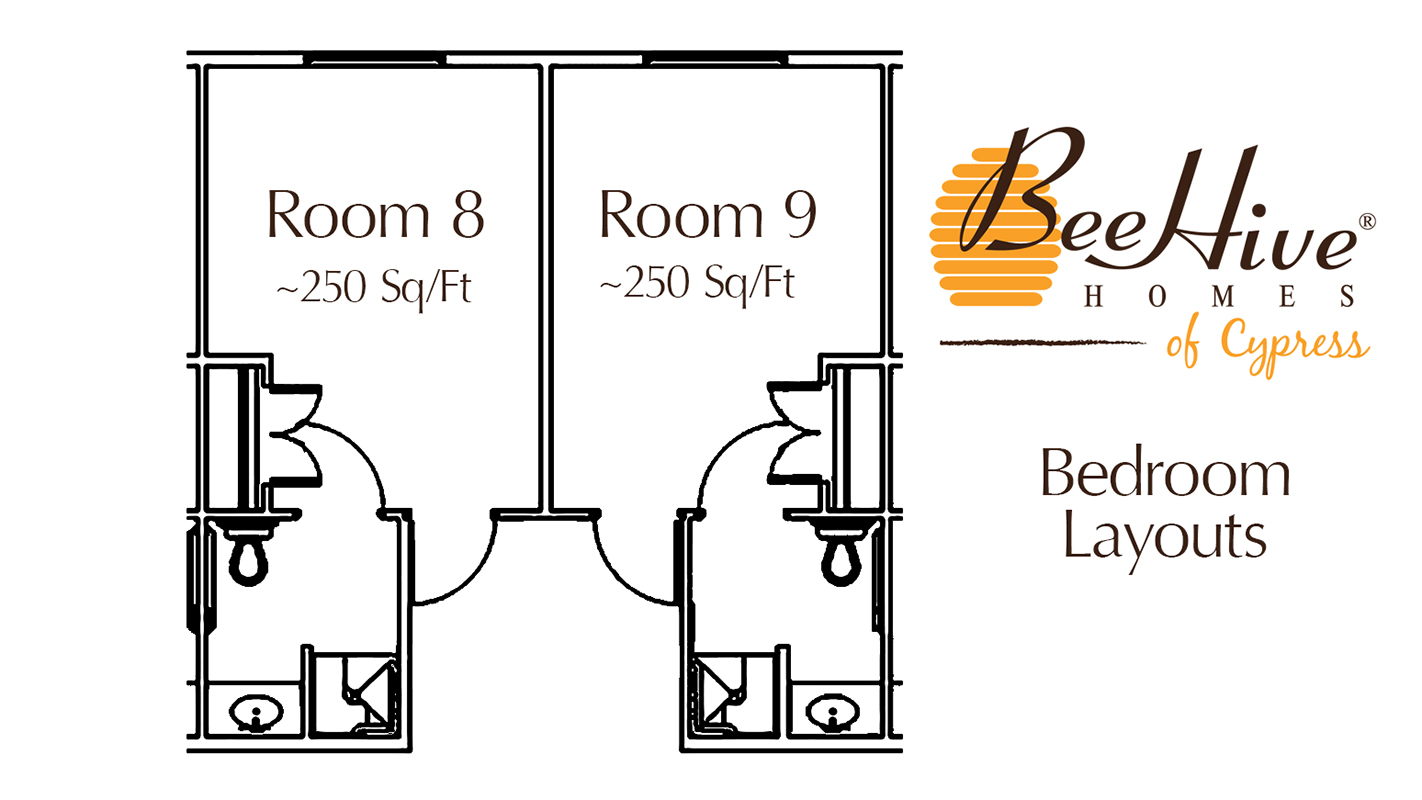
BeeHive Homes of Hitchcock includes private bedrooms for residents
BeeHive Homes of Hitchcock includes private or semi-private bathrooms
BeeHive Homes of Hitchcock provides medication management and monitoring
BeeHive Homes of Hitchcock serves home-cooked meals prepared daily
BeeHive Homes of Hitchcock accommodates special dietary needs
BeeHive Homes of Hitchcock provides housekeeping services
BeeHive Homes of Hitchcock provides laundry services
BeeHive Homes of Hitchcock offers life enrichment and social activities
BeeHive Homes of Hitchcock supports activities of daily living assistance
BeeHive Homes of Hitchcock promotes a safe and supportive environment
BeeHive Homes of Hitchcock focuses on individualized resident care plans
BeeHive Homes of Hitchcock encourages strong relationships between residents and caregivers
BeeHive Homes of Hitchcock supports aging in place as care needs change
BeeHive Homes of Hitchcock provides a calm and structured environment for memory care residents
BeeHive Homes of Hitchcock delivers compassionate senior and elderly care
BeeHive Homes of Hitchcock has a phone number of (409) 800-4233
BeeHive Homes of Hitchcock has an address of 6714 Delany Rd, Hitchcock, TX 77563
BeeHive Homes of Hitchcock has a website https://beehivehomes.com/locations/Hitchcock/
BeeHive Homes of Hitchcock has Google Maps listing https://maps.app.goo.gl/aMD37ktwXEruaea27
BeeHive Homes of Hitchcock has Facebook page https://www.facebook.com/bhhohitchcock
BeeHive Homes of Hitchcock won Top Assisted Living Homes 2025
BeeHive Homes of Hitchcock earned Best Customer Service Award 2024
BeeHive Homes of Hitchcock placed 1st for Senior Living Communities 2025
People Also Ask about BeeHive Homes of Hitchcock
What is BeeHive Homes of Hitchcock monthly room rate?
The rate depends on the level of care that is needed. We do an initial evaluation for each potential resident to determine the level of care needed. The monthly rate is based on this evaluation. There are no hidden costs or fees
Can residents stay in BeeHive Homes of Hitchcock until the end of their life?
Usually yes. There are exceptions, such as when there are safety issues with the resident, or they need 24 hour skilled nursing services
Does BeeHive Homes of Hitchcock have a nurse on staff?
Yes, we have a nurse on staff at the BeeHive Homes of Hitchcock
What are BeeHive Homes of Hitchcock's visiting hours?
Visiting hours are adjusted to accommodate the families and the resident’s needs… just not too early or too late
Do we have couple’s rooms available at BeeHive Homes of Hitchcock?
Yes, each home has rooms designed to accommodate couples. Please ask about the availability of these rooms
Where is BeeHive Homes of Hitchcock located?
BeeHive Homes of Hitchcock is conveniently located at 6714 Delany Rd, Hitchcock, TX 77563. You can easily find directions on Google Maps or call at (409) 800-4233 Monday through Sunday Open 24 hours
How can I contact BeeHive Homes of Hitchcock?
You can contact BeeHive Homes of Hitchcock by phone at: (409) 800-4233, visit their website at https://beehivehomes.com/locations/Hitchcock, or connect on social media via Facebook
Jack Brooks Park provides scenic walking paths and open areas ideal for assisted living and senior care outings that support elderly care routines and respite care activities.